You're using an "Internet Explorer" web browser that's no longer supported.
This website will not function correctly when using when using Internet Explorer,
so please upgrade to a modern web browser, like Edge, Chrome, or Firefox.
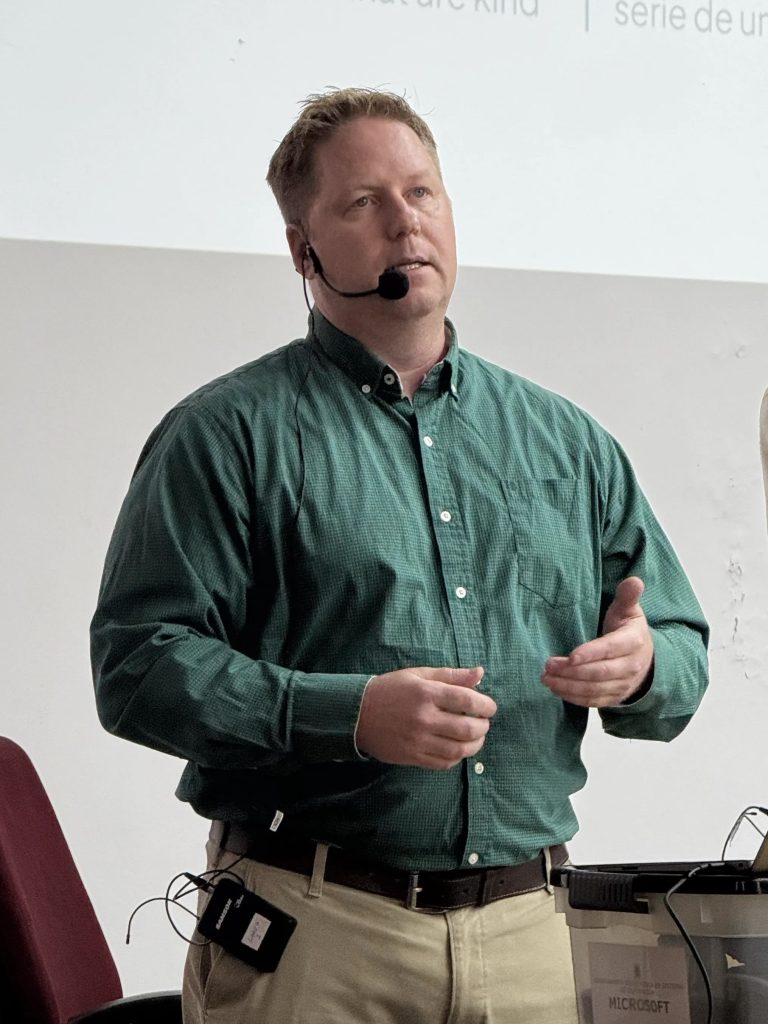
Smalltalks 2026 brought us to Rosario, Argentina, on October 14–16th for three days of Smalltalk, software development, and a substantial conversation about AI. Alongside my colleagues from Instantiations, I had the opportunity to share what we have been building with the VAST Platform and explore how our work connects with developments across the wider Smalltalk community.
A Growing Smalltalk Community in Rosario
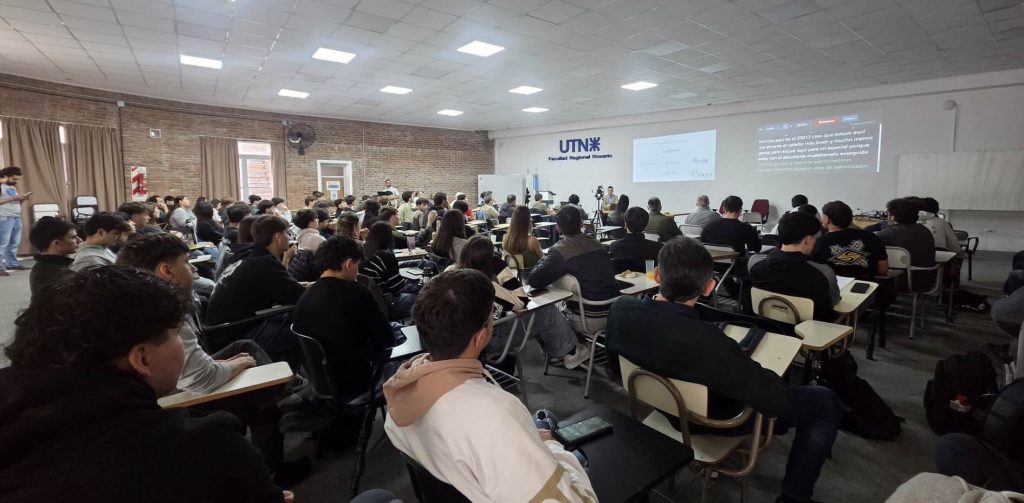
The conference received 370 registrations, with a large proportion coming from students at UTN Rosario, the host university. That student presence was especially encouraging. Connecting people who are discovering Smalltalk with developers who have spent decades building with it creates opportunities to share experience, question assumptions, and explore new ideas together.
Smalltalks holds special meaning for me because of my involvement on both sides of the conference. I lead the VAST Platform and VAST AI Assistant teams at Instantiations, and I also serve as FAST’s treasurer and help organize Smalltalks. Those roles give me a unique perspective on the technical innovation shared throughout the event and the collaboration and dedication that bring the Smalltalk community together.
Instantiations has sponsored Smalltalks for many years, and I deeply appreciate that sustained commitment. Supporting the conference helps create opportunities for people to meet, learn, exchange ideas, and contribute to Smalltalk’s future.
AI and Smalltalk: Highlights from the Conference
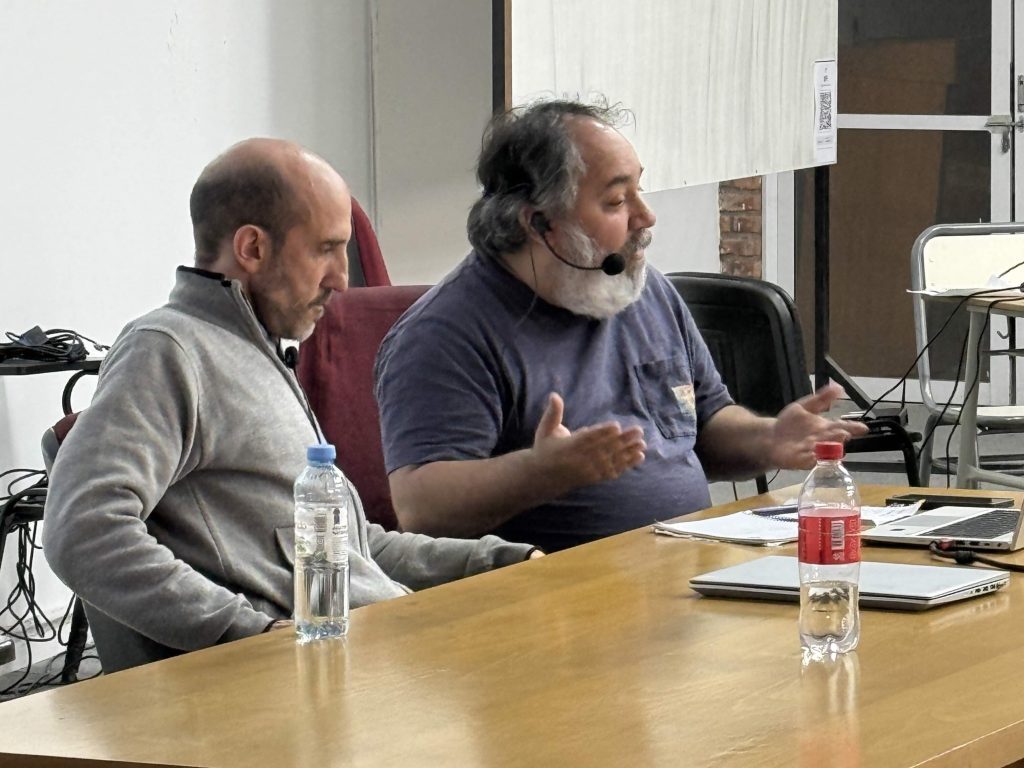
AI was prominent throughout the conference program. Sessions covered AI agents, MCP integration, development practices, and the changing role of programmers. A dedicated AI and Smalltalk panel, hosted by our colleague Esteban Maringolo, gave that discussion its own space. The program also covered runtime engineering, portability, debugging, language design, and new development environments, a useful reminder of the breadth of work happening across Smalltalk.
Our team contributed five presentations spanning that same range.
Five Presentations from the Instantiations VAST Team
The VAST AI Assistant
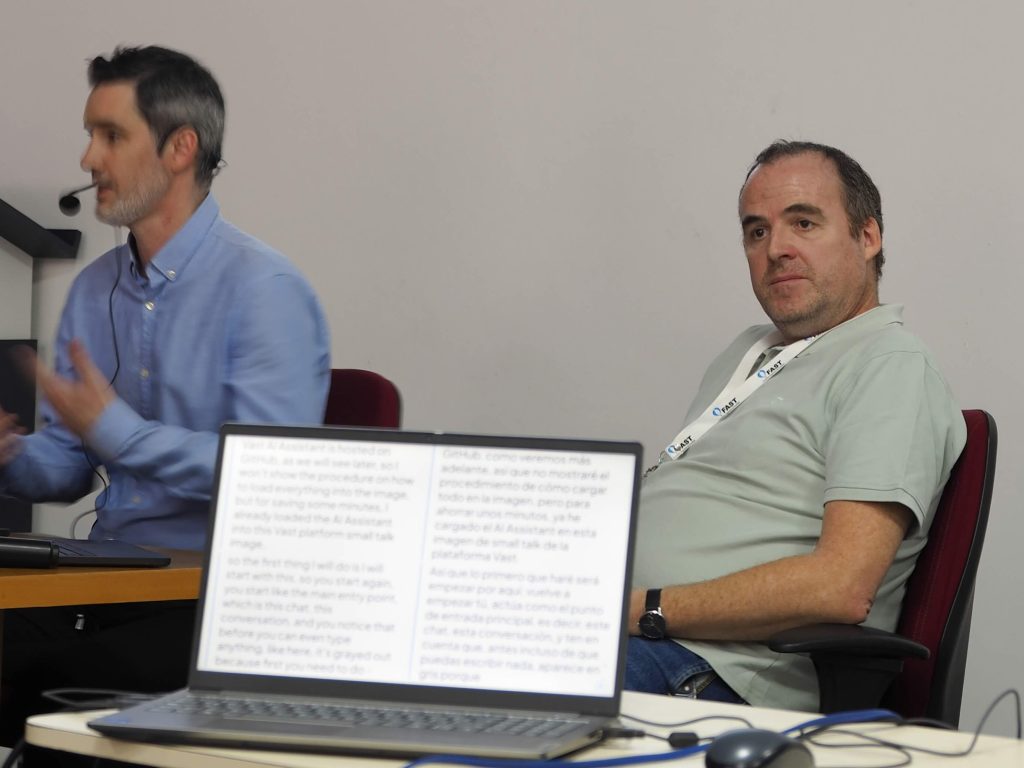
Johan Brichau and I presented our work on bringing AI directly into the live VAST development environment. We showed how the assistant can investigate code, work with debugger and workspace context, run and debug tests, and help explain changes across ENVY versions. Proposed code changes can be reviewed through dedicated merge tools, keeping developers involved in the process. This is also tooling we use ourselves for prototyping, investigating bugs, generating tests, and developing the assistant. The project is open source on GitHub, and we welcome people to try it and share their experiences.
Building Agentic Applications with VAST: VAST ADK and A2UI
Seth Berman presented the technologies we are developing to bring agents into Smalltalk applications. VAST ADK connects models, tools, context, and workflows with existing application capabilities. A2UI adds structured, interactive interfaces, including native and web rendering. The service-request example illustrates how an agent can gather information, invoke/ existing validation rules, and present findings for a person to review, while the application continues to enforce its permissions and business rules.
Seamless GC Parallelism
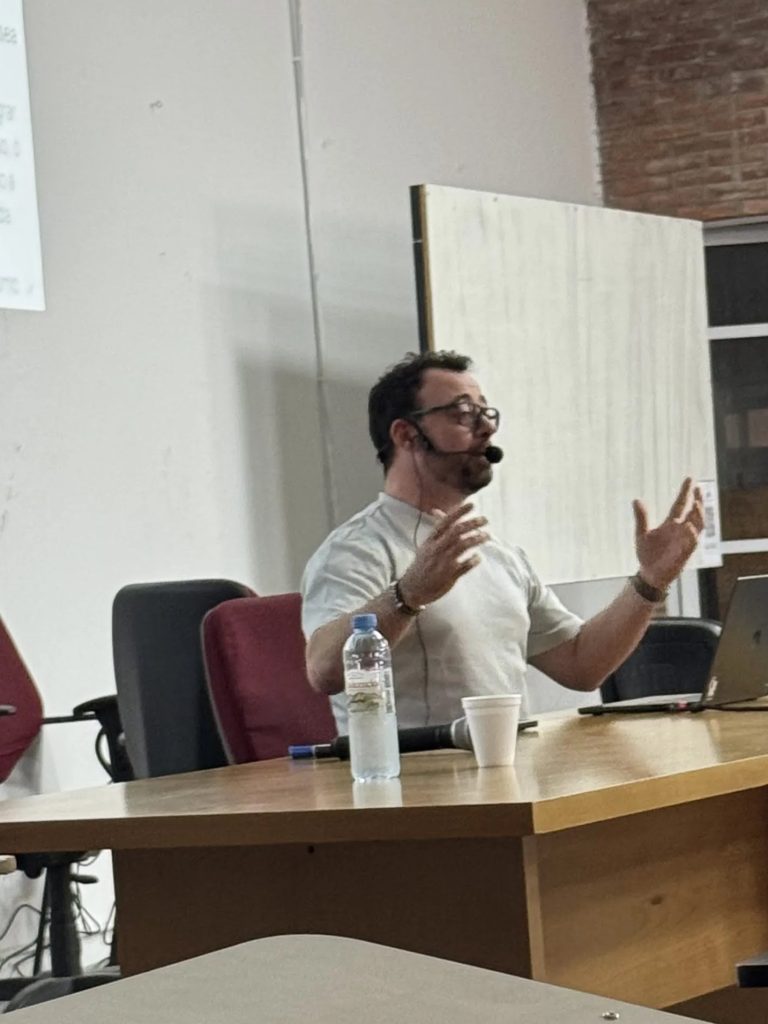
Pablo Alí and David Weil shared their work on using multiple CPU cores within VAST’s garbage collector. Their presentation explored parallel marking and pointer relocation, work distribution strategies, profiling, and the practical limits of scaling. It showed how we can improve the runtime underneath existing applications without requiring changes to application code. They also described how AI assisted their investigation, implementation, and testing.
Documentation That Outlived Its Medium
Esteban Maringolo told the story of moving decades of VAST documentation into a modern publishing workflow. Around 6,200 source files became almost 1,900 Markdown documents, with version control and a repeatable publishing pipeline that includes an MCP server as one of its outputs. Preserving documentation for older releases remains essential for our customers. Making that knowledge searchable and accessible to AI tools also creates new ways to use and improve it.
The Road to VAST 2027
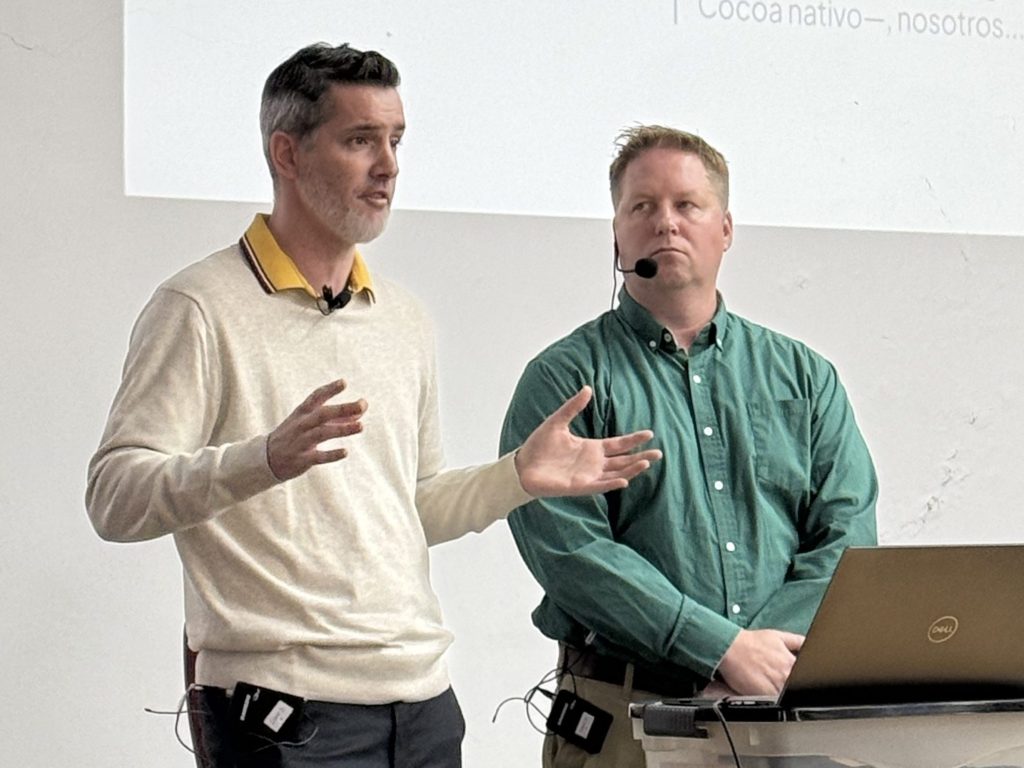
Seth and I connected these developments with the broader direction of Instantiations. We discussed VAST 15, the active VAST 16 release, ongoing engineering work, and the relationship between our platform and Fintech teams. Experience maintaining critical applications informs platform development, while advances in VAST give those teams new capabilities. AI is becoming part of that shared engineering work.
What Context Helps AI Understand Software?
One of the discussions that stayed with me began in a presentation and continued with the speaker during coffee breaks. We explored whether statically typed languages, such as Java, offer an advantage in AI-assisted development because large language models (LLMs) can identify types directly from source code.
The speaker described an experiment in which he provided an LLM with additional type information while working with a Smalltalk system, yet observed no improvement in the results.
While this doesn't definitively answer the question, it challenges the assumption that static typing automatically gives LLMs an advantage. For me, it raises a broader question: which kinds of context actually help an AI assistant understand software? Smalltalk’s ability to expose live objects, runtime state, and system behavior offers compelling opportunities to explore that question further.
Building Connections Beyond the Conference
The connections made at Smalltalks extended well beyond the conference sessions. A social dinner brought together around 30 people, including attendees from several countries, giving us time to get to know each other and continue conversations in a more relaxed setting. Those informal exchanges are a valuable part of gathering in person.
Continuing the Collaboration: VAST Coding Meetup
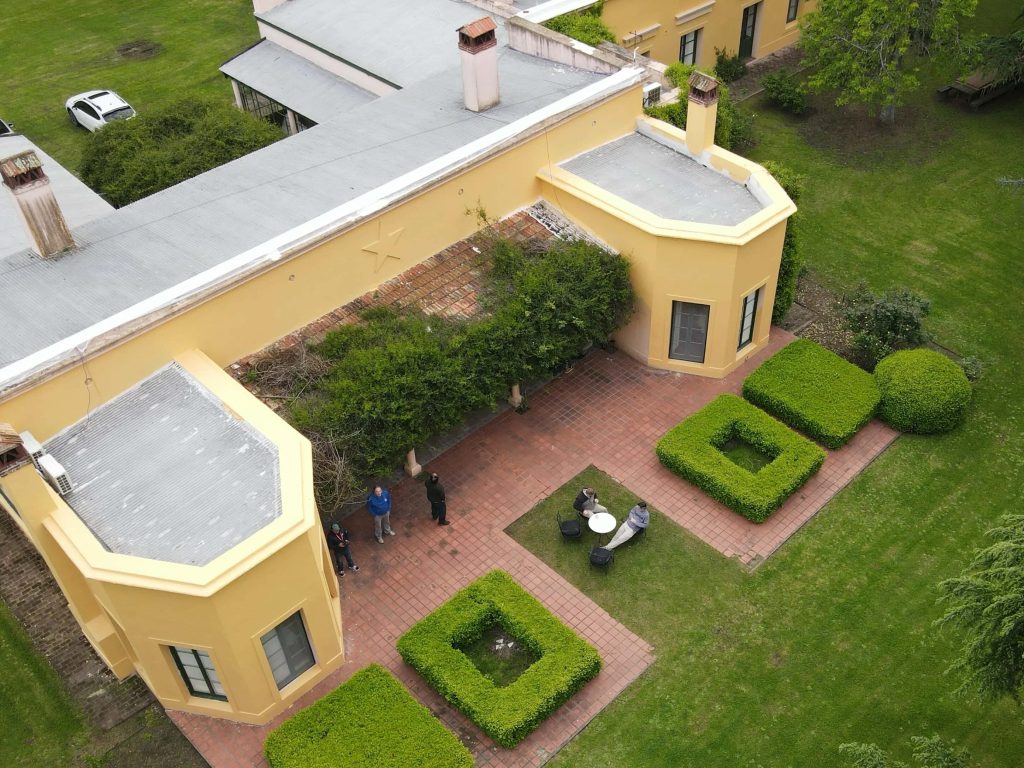
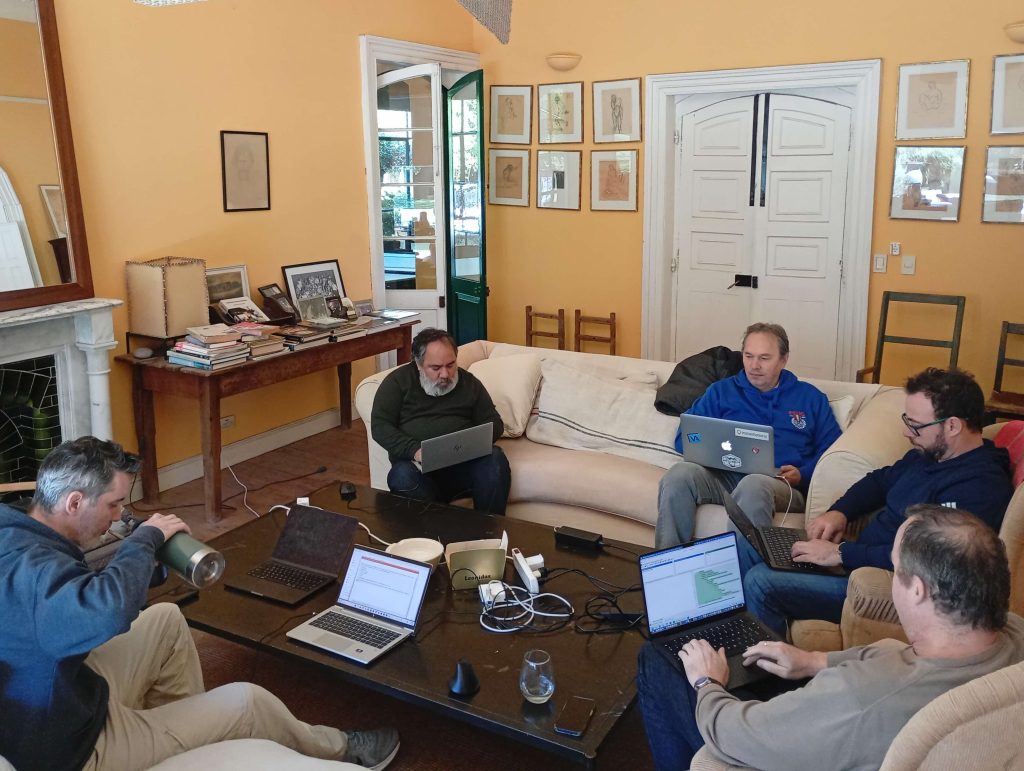
That spirit of collaboration carried on after the conference. Following our time in Rosario, we gathered for a VAST coding meetup at Estancia La Caledonia in Cañuelas, Buenos Aires. As I wrote in my meetup post, one of the things I value most about leading this team is the people I get to work with. Having several days together to code, experiment, exchange ideas, and enjoy each other’s company meant a great deal.
That time together also helped us examine how AI is changing our own work. Faster code generation brings new demands on review, testing, integration, and releases. With Instantiations CEO Seth Berman actively participating in the technical discussions and development work, we were able to learn together, examine these challenges firsthand, and consider how best to adapt our processes.
Looking Ahead: Smalltalk and AI-Assisted Development
My main takeaway from Smalltalks 2026 is that Smalltalk has much to offer as AI continues to reshape software development: Its live systems, reflection, inspectable objects, and tools that help developers understand running software. Connecting AI with those capabilities gives us a rich space to explore.
For our community, the opportunity is to build on those strengths together by welcoming new developers, sharing tools and ideas, improving documentation, and learning from one another across Smalltalk implementations. I came away with fresh ideas and renewed enthusiasm for what we are building together.
Thank you to FAST, UTN Rosario, local organizers, the volunteers, speakers, sponsors, and everyone who participated, and to Instantiations for continuing to invest in both the VAST Platform and the community around it.